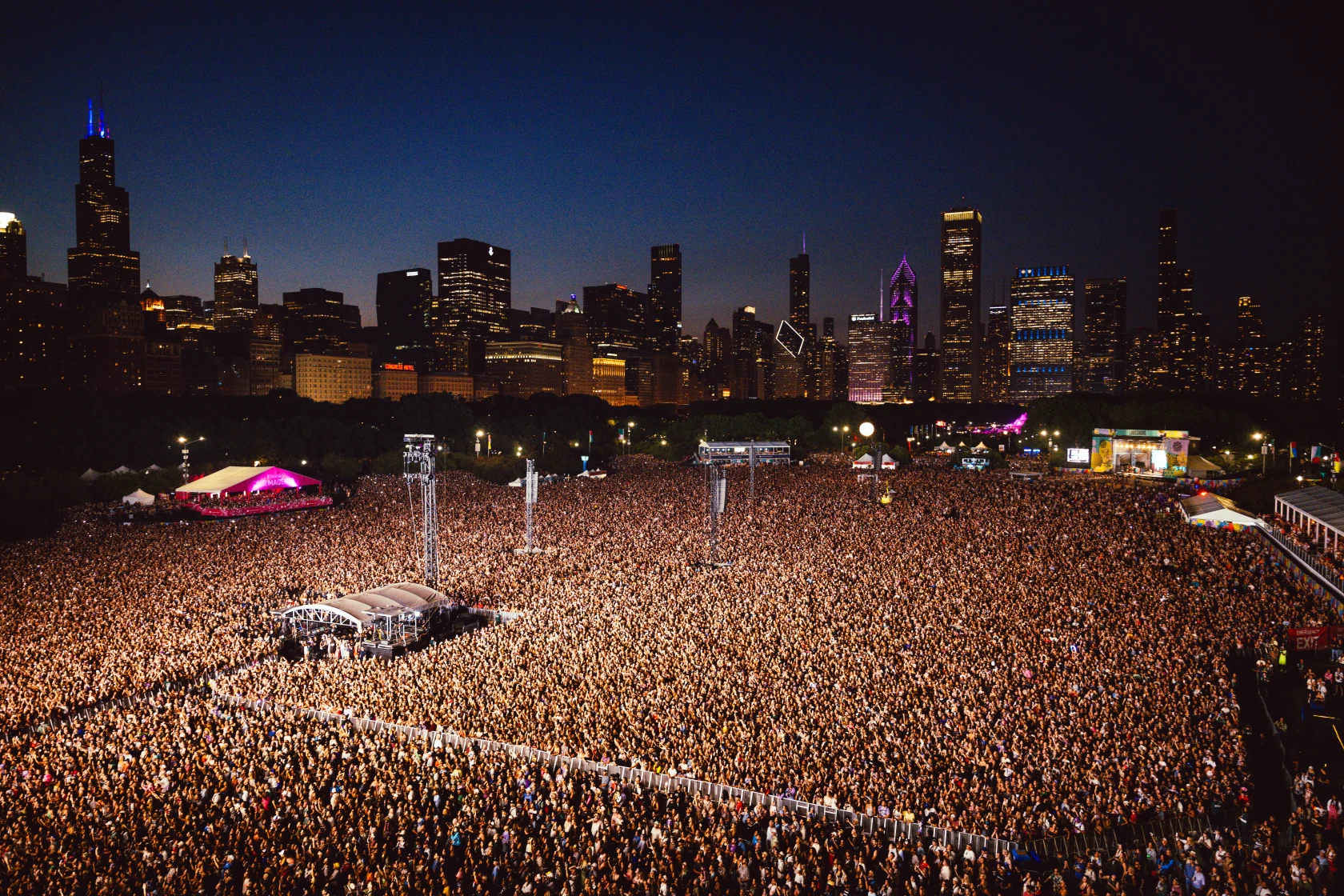
It's hard to imagine a Chicago summer without Lollapalooza. Every year, hundreds of thousands of music fans gather at Grant Park for a weekend filled with performances, unforgettable moments, and some of the biggest names in music.
But did you know Lollapalooza almost disappeared forever?
Even more surprising, an Asian American woman played a role in shaping the festival's second chapter, helping turn what was once a struggling touring event into a global music phenomenon.
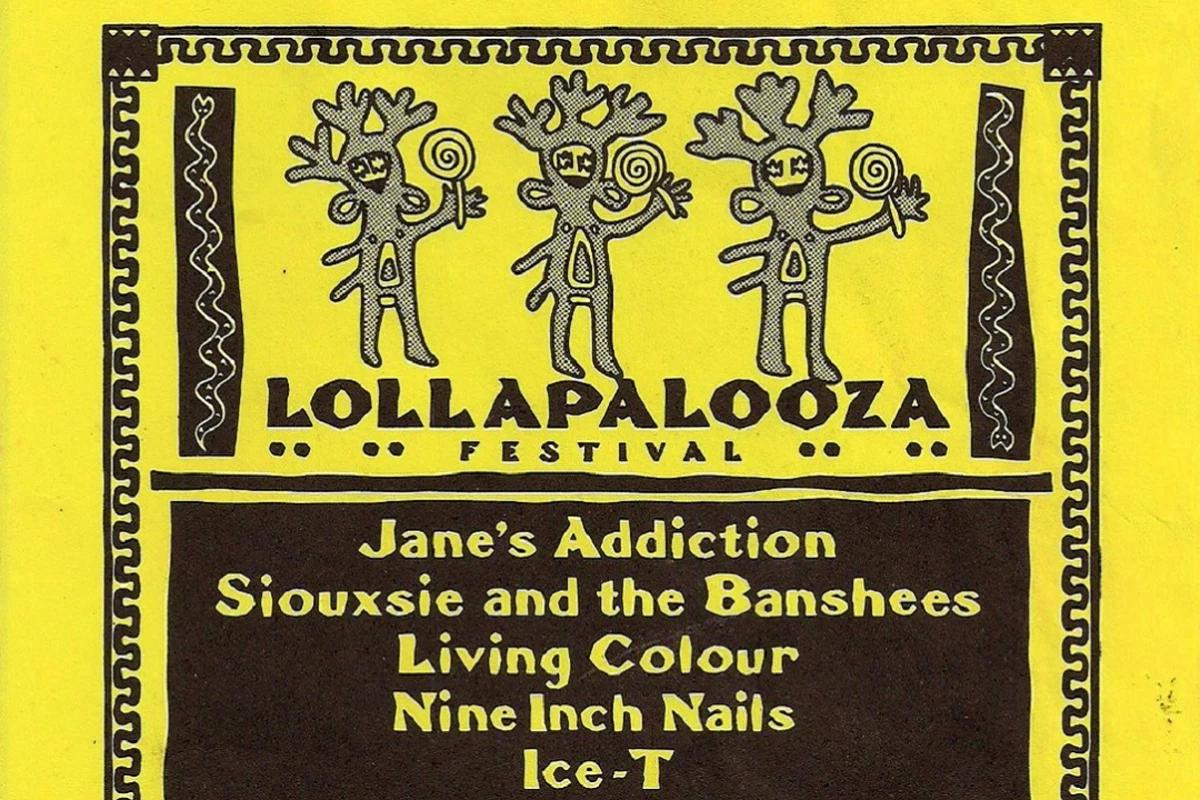
Lollapalooza began in 1991 when Jane's Addiction frontman Perry Farrell envisioned a farewell tour unlike any other. Instead of a traditional concert, he brought together alternative rock, hip-hop, art installations, and activism in a traveling festival that crossed North America.
Its original lineup featured artists like Jane's Addiction, Nine Inch Nails, Siouxsie and the Banshees, Ice-T, and Living Colour.
Lollapalooza quickly became a defining part of alternative music culture. However, by the late 1990s, changing music trends, declining ticket sales, and difficulties securing headliners began taking their toll.
After its 1997 tour, the festival went on hiatus. A comeback in 2003 brought Jane's Addiction back to the stage, but the revival struggled. In 2004, the entire tour was canceled because of poor ticket sales.
For a festival that had helped redefine live music, the future was suddenly uncertain.
Then came 2005 and an idea that would change everything.
Instead of bringing the festival to people, organizers decided to create a festival people would travel for.
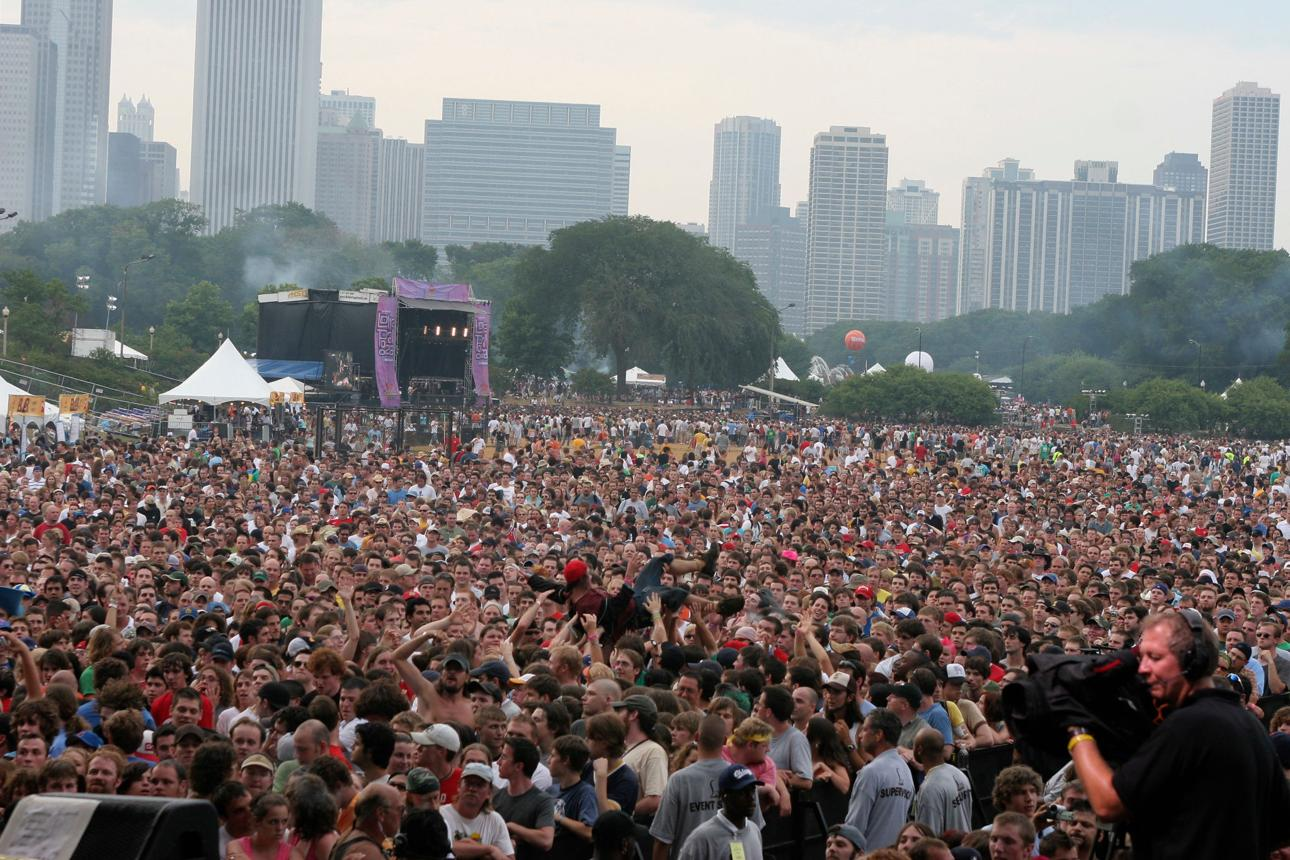
Working with concert promoter C3 Presents, Perry Farrell helped reinvent Lollapalooza as a destination festival in Chicago's Grant Park. The first edition of this new chapter featured artists including Weezer, Pixies, The Killers, and Arcade Fire.
But behind this transformation was someone whose name isn't as widely recognized: Etty Lau Farrell.
Born in Hong Kong, Etty immigrated to the United States with her family at age 10. She trained as a classical ballerina and built a career as a professional dancer, performing with artists including Madonna and Ricky Martin before joining Jane's Addiction on tour in 1997.
Although often introduced as Perry Farrell's wife, Etty developed her own role in Lollapalooza's evolution.
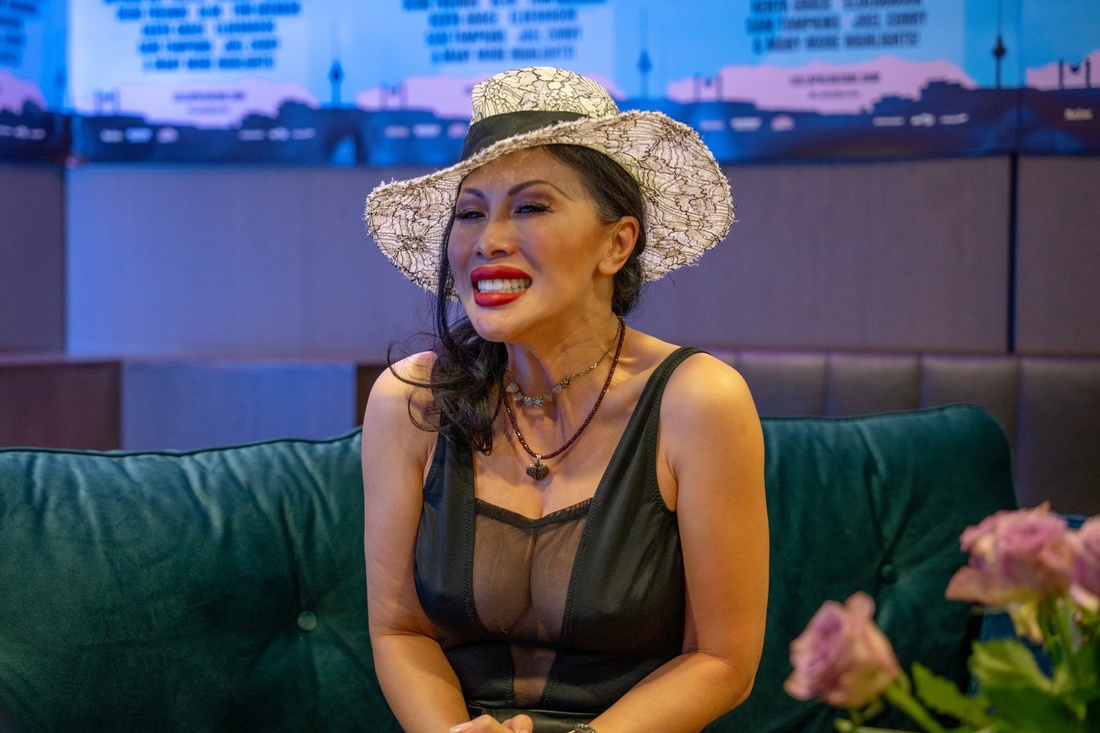
In a 2024 interview with THE UNSEEN Magazine, she acknowledged Perry as the original founder while describing their shared involvement in establishing Lollapalooza as a destination festival.
Her contributions also extended into the operational and creative sides of the business. In a 2021 interview with Athleisure Magazine, she discussed serving on Lollapalooza's board, handling logistics, and making recommendations.
As Lollapalooza expanded internationally, Etty also became involved in decisions surrounding the festival experience. She has spoken about the challenges of finding suitable venues for Lollapalooza Berlin and incorporating artistic elements, including synchronized swimmers and graffiti installations, into the event.
Her influence has extended beyond music. In 2024, Lollapalooza partnered with environmental organization Re:wild to support global conservation efforts, a cause Etty has publicly championed. In 2026, she also introduced Lolla Girl, an initiative celebrating self-expression and individuality at the Chicago festival.
Her connection to Lollapalooza has even earned her the affectionate title "Festival Fairy Godmother."
Today, the festival has welcomed legendary performers including Paul McCartney, Metallica, Radiohead, Lady Gaga, Kendrick Lamar, and Billie Eilish. Its stages have also featured global Asian acts like J-Hope, TOMORROW X TOGETHER, NewJeans, and TWICE, reflecting the increasingly international audience and musical diversity of the event. Lollapalooza has also held editions in countries including Chile, Brazil, Argentina, Germany, France, Sweden, and India.
What once struggled to survive as a touring festival has become one of the most recognizable names in live music. And while millions recognize Lollapalooza, fewer may know about the Hong Kong-born Asian American woman who contributed to the festival's modern identity.
Etty Lau Farrell's story reminds us that the people who help shape Chicago's cultural landmarks aren't always the ones whose names we hear most often.
Sometimes, history isn't just about who starts something. It's also about who helps make sure it lasts.
For more exciting articles, keep in touch and stay connected by following us on our socials Facebook, Instagram, LinkedIn, and Tiktok and we’ll make sure you’re updated!
More from
Arts/Entertainment
category