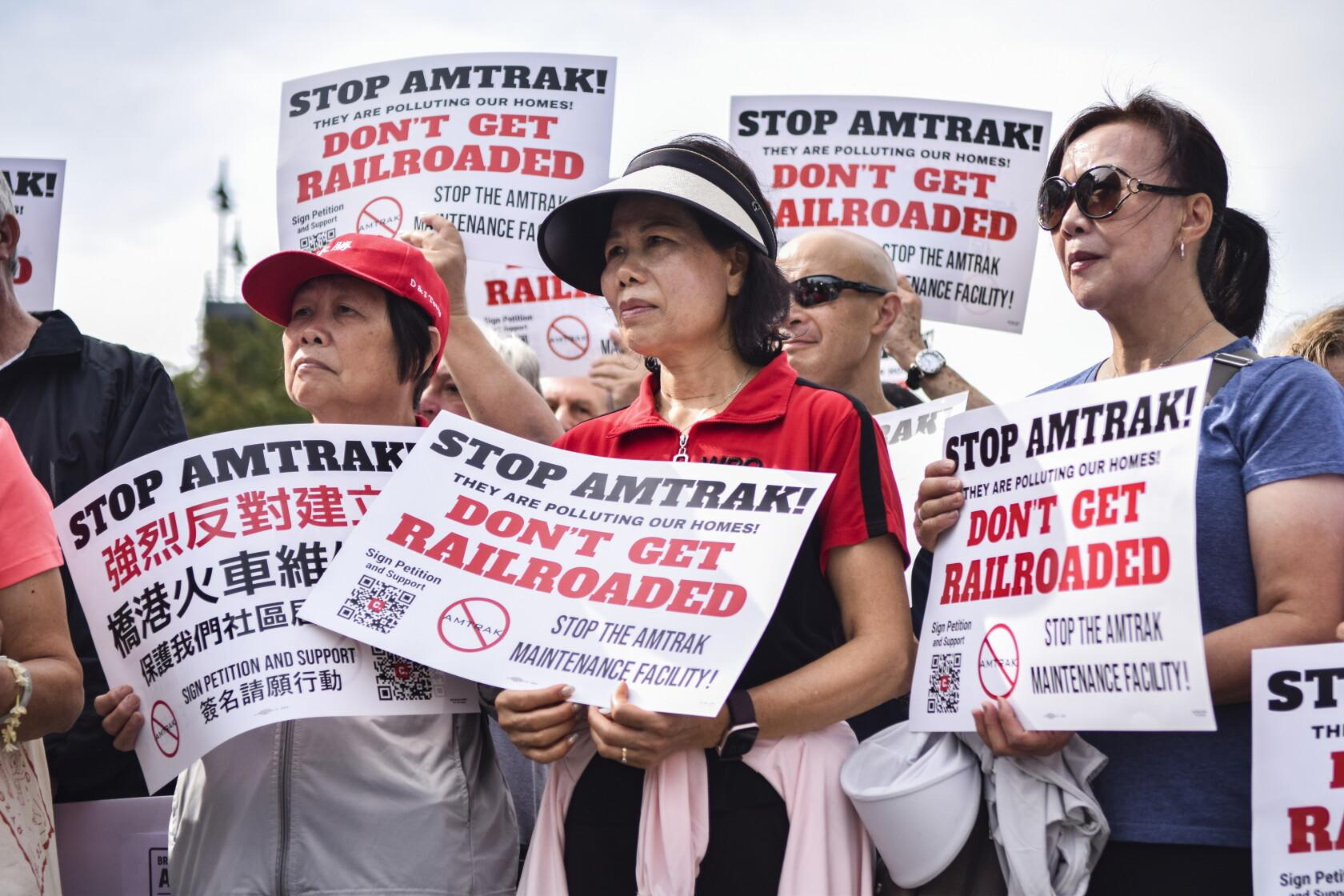
Chicago's Chinatown, Bridgeport, and Armour Square communities have something to celebrate this Thanksgiving. After three months of protests, community meetings, and tireless advocacy, residents are celebrating the cancellation of Amtrak's proposed Canal Street maintenance facility.
On November 23, 2026, the Federal Railroad Administration (FRA) announced its decision to withdraw funding for the proposed relocation. The following day, Amtrak confirmed that it would instead focus on modernizing its existing 14th Street Yard in Chicago's South Loop.
For the residents and community organizations that have spent months fighting to protect their neighborhoods, the announcement marks a significant victory.
“This win belongs to all of us, a united community across Armour Square, Chinatown, and Bridgeport,” the local coalition shared in a social media announcement, thanking community members, elected officials, and allies who stood alongside them throughout the campaign.
The controversy gained public attention in August 2026 when Amtrak announced federal funding for a new Midwest Maintenance Facility at the Canal Street Yard in Bridgeport. The proposal received up to $572 million in federal funding for the facility and an additional $87 million for related bridge and viaduct improvements.
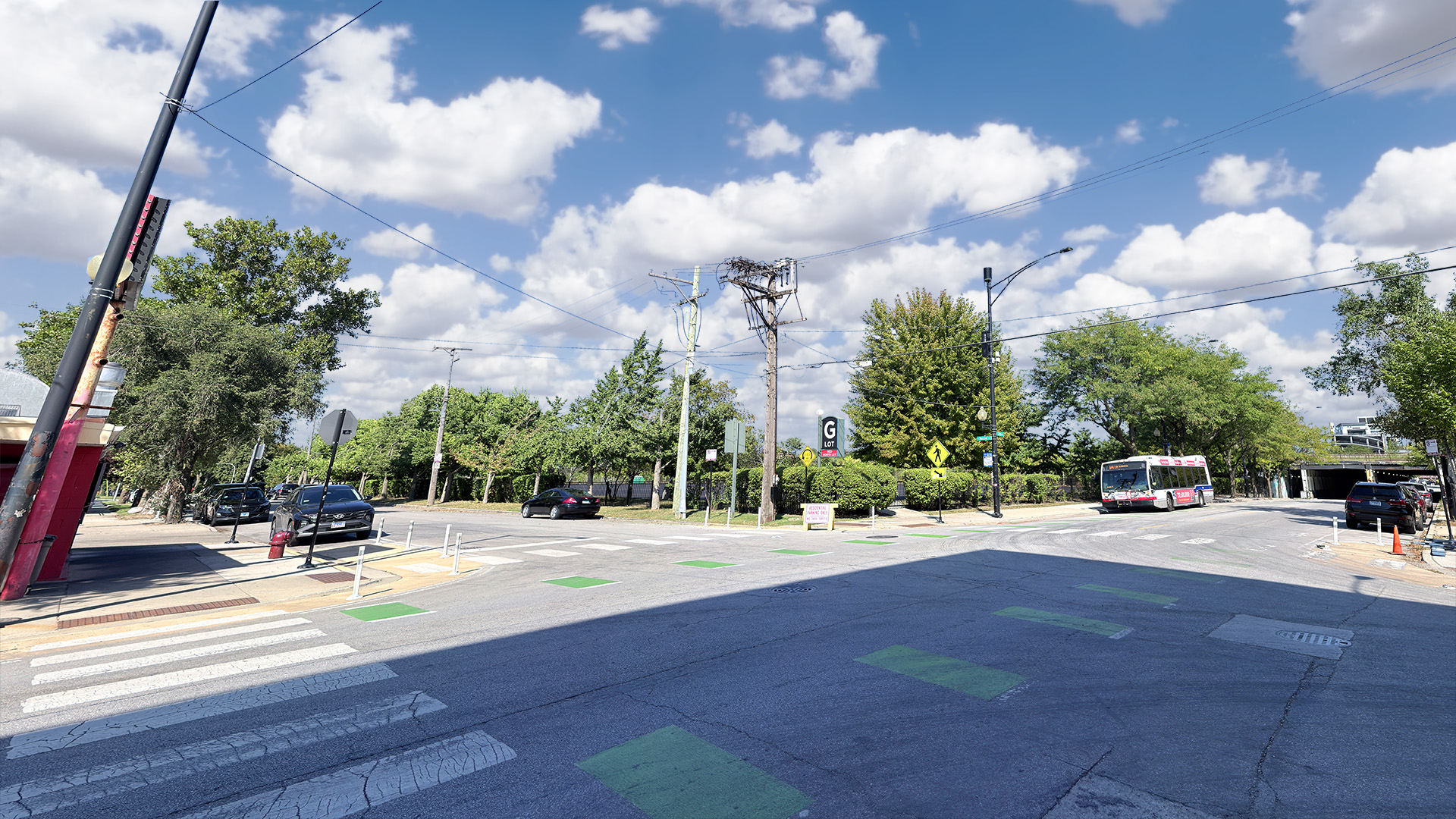
While Amtrak presented the project as an opportunity to modernize its operations and improve passenger rail services, the proposed relocation raised serious concerns among neighboring communities. The move would also have opened up Amtrak's existing South Loop property for a proposed mixed-use development that could include a new stadium for the Chicago White Sox.
For residents, however, the issue was much closer to home.
The proposed facility, which would operate around the clock, would sit near residential buildings, schools, parks, and senior housing. Residents expressed concerns about potential air and noise pollution, public health risks, and the long-term impact of industrial operations on their quality of life.
Equally concerning was the lack of accessible information during the project's early stages. In September, the Chinese American Service League (CASL) raised concerns about language barriers affecting Chinese-speaking residents. The organization called for translated materials, more time for public feedback, and greater transparency surrounding the project's environmental review.
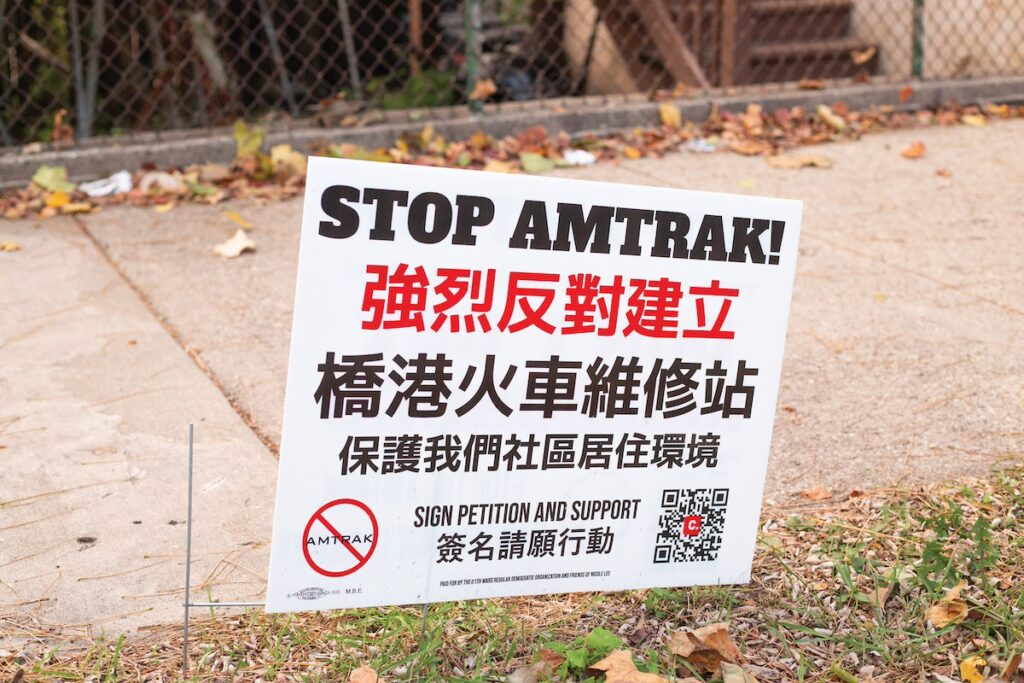
These concerns brought together the Coalition for a Better Chinese American Community (CBCAC), Bridgeport Environmentalists, Bridgeport Alliance, 11th Ward Independent Political Organization, and Armour Bridgeport Coalition.
Together, residents organized demonstrations, attended public meetings, raised funds for environmental legal counsel, and brought their concerns directly to elected officials. On October 14, the Chicago City Council adopted a resolution opposing the proposed Canal Street location.
Their efforts demonstrated the strength of solidarity across neighborhoods, cultures, and generations. Residents were advocating not against the modernization of public transportation, but for responsible development that considers the health, safety, and voices of the people affected by it.
Ultimately, the FRA cited significant infrastructure costs in its decision to abandon the relocation. An independent analysis estimated approximately $400 million in additional costs over 50 years to stabilize 17 bridges and viaducts at the proposed site.
Moving forward, Amtrak will work toward redeveloping its existing 14th Street Yard. The FRA has agreed to revise the scope of the $572 million grant, while the $87 million grant for Canal Street infrastructure improvements has been withdrawn.
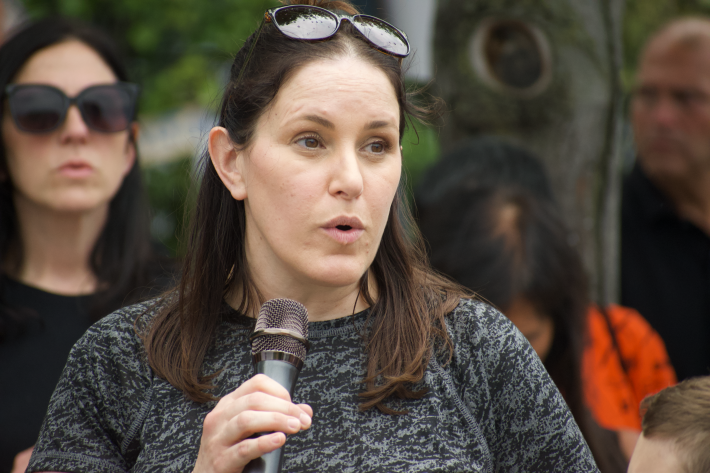
At a celebratory press conference on November 24, Alderwoman Nicole Lee also expressed her desire to keep the White Sox in Bridgeport and explore transforming the neighborhood's rail corridor into an elevated trail similar to Chicago's popular 606.
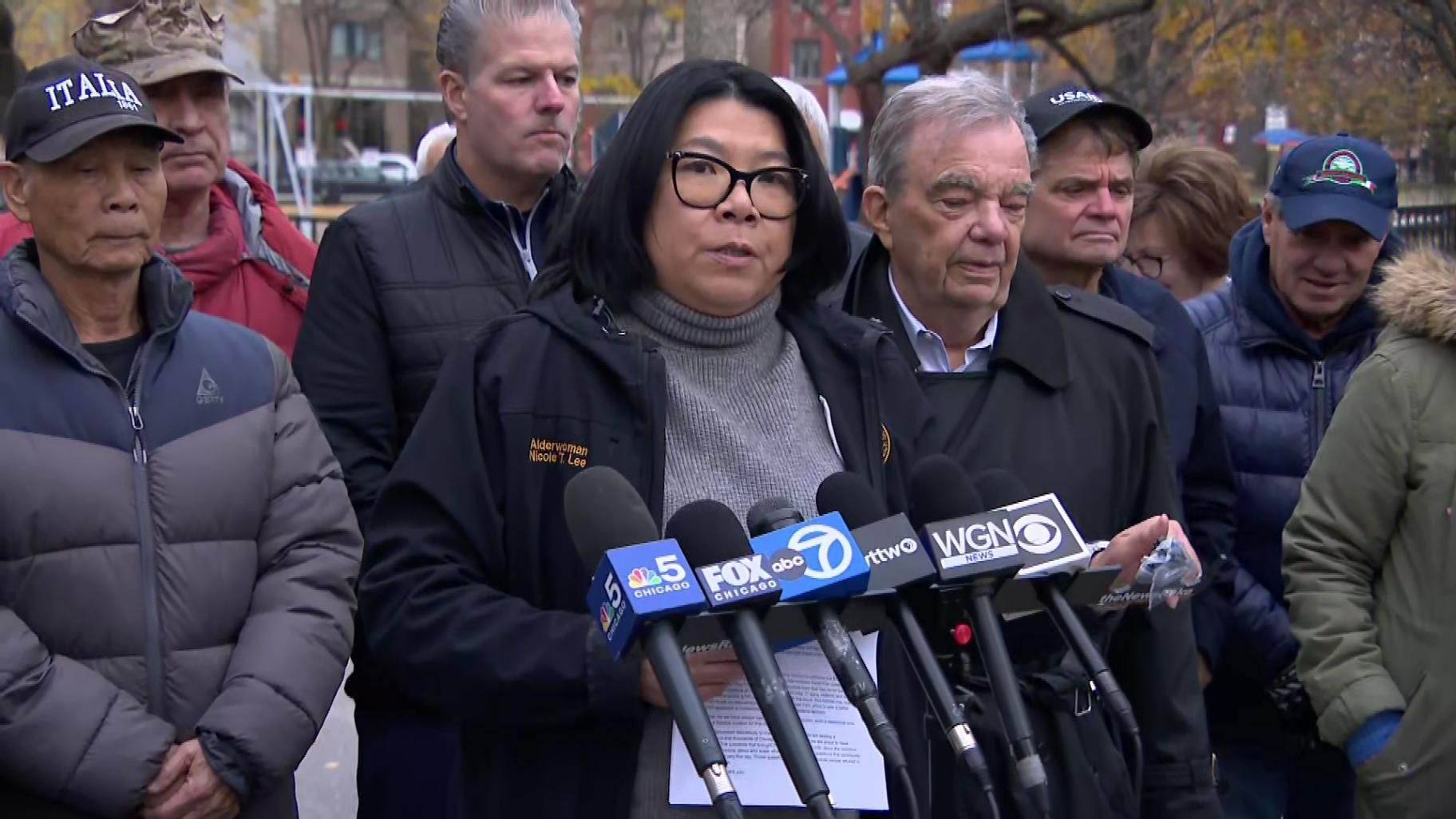
Beyond the immediate victory, the experience serves as an important reminder of why community participation, accessible information, and meaningful consultation should be priorities in future development projects.
For Chicago's Chinatown, Bridgeport, and Armour Square, this moment belongs to the residents who showed up, asked difficult questions, held signs, attended meetings, and refused to let their concerns go unheard.
Their victory is a powerful reminder that everyday people have a place in shaping the future of the communities they call home. And that is certainly something worth celebrating.
For more exciting articles, keep in touch and stay connected by following us on our socials Facebook, Instagram, LinkedIn, and Tiktok and we’ll make sure you’re updated!
References
Alpasan, E. (2026, November 24). Amtrak drops Bridgeport facility proposal after feds pull funding, will instead redevelop existing South Loop rail yard. WTTW.
Amtrak. (2026, August 14). Amtrak receives federal grants for new Midwest Maintenance Facility and improvements to viaducts.
Amtrak. (2026, November 24). Amtrak Midwest Maintenance Facility statement.
Federal Railroad Administration. (2026). Midwest Maintenance Facility.
Hayes, M. (2026, November 19). South Side community leaders push back against Amtrak-White Sox railyard development. South Side Weekly.
Stop the Bridgeport Amtrak Facility. (2026). Campaign timeline.
Suarez, F. (2026, September 10). Amtrak proposed rail facility in Bridgeport. Chinese American Service League.
More from
Community
category