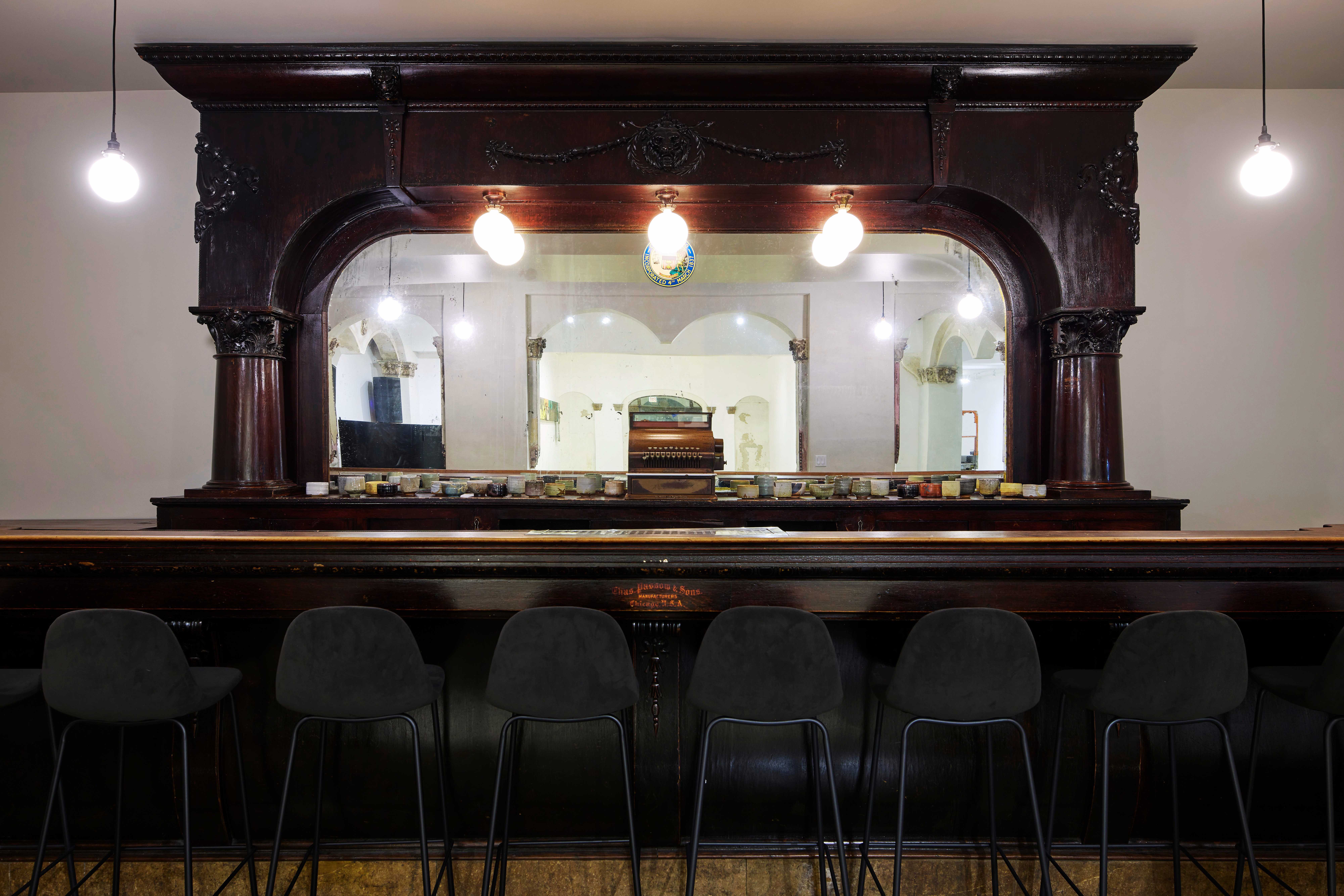
At the historic Stony Island Arts Bank on Chicago’s South Side, tea has become part of a larger conversation about culture, community, and belonging.

Artist Theaster Gates and entrepreneur Heiji Choy Black recently partnered to open Han Cha, a Korean-inspired tea salon, and Yunomi, an evening cocktail lounge housed inside the Arts Bank. Together, the concepts bring Asian hospitality traditions into one of Chicago’s most important cultural institutions.
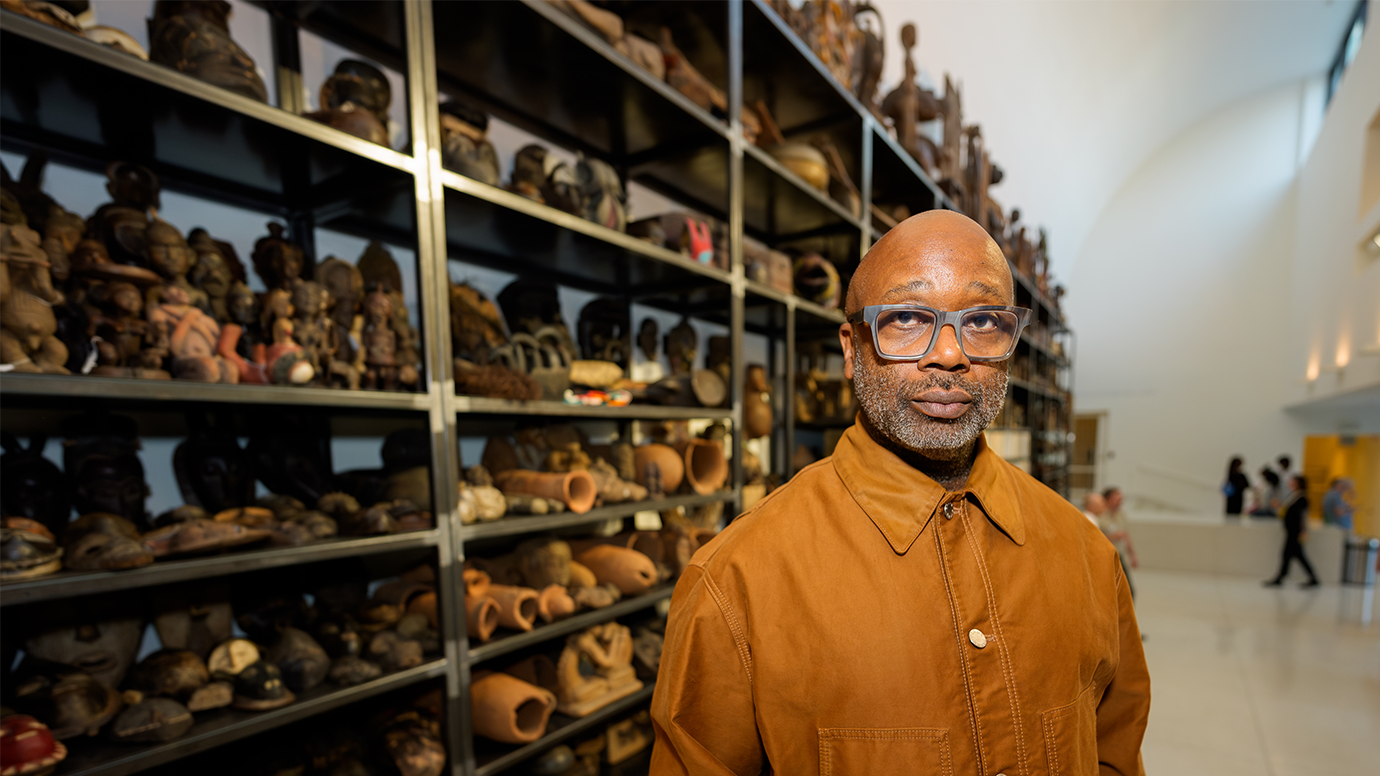
For Chicago’s Asian American community, the opening represents more than a new place to gather. It places Korean flavors, rituals, and hospitality within a space best known for preserving and celebrating Black history. In a city where communities are often separated by neighborhood lines, the project creates an opportunity for different cultural traditions to meet on common ground.
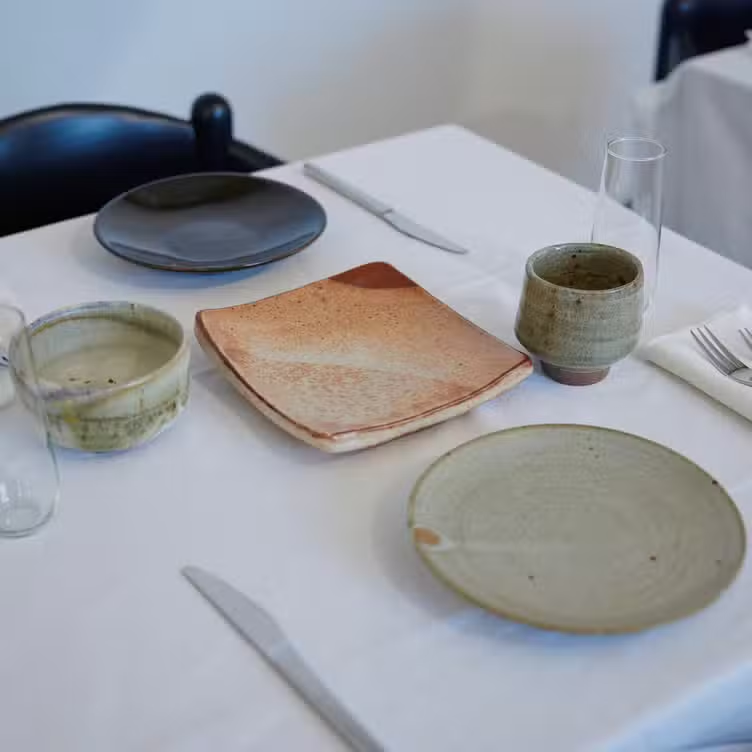
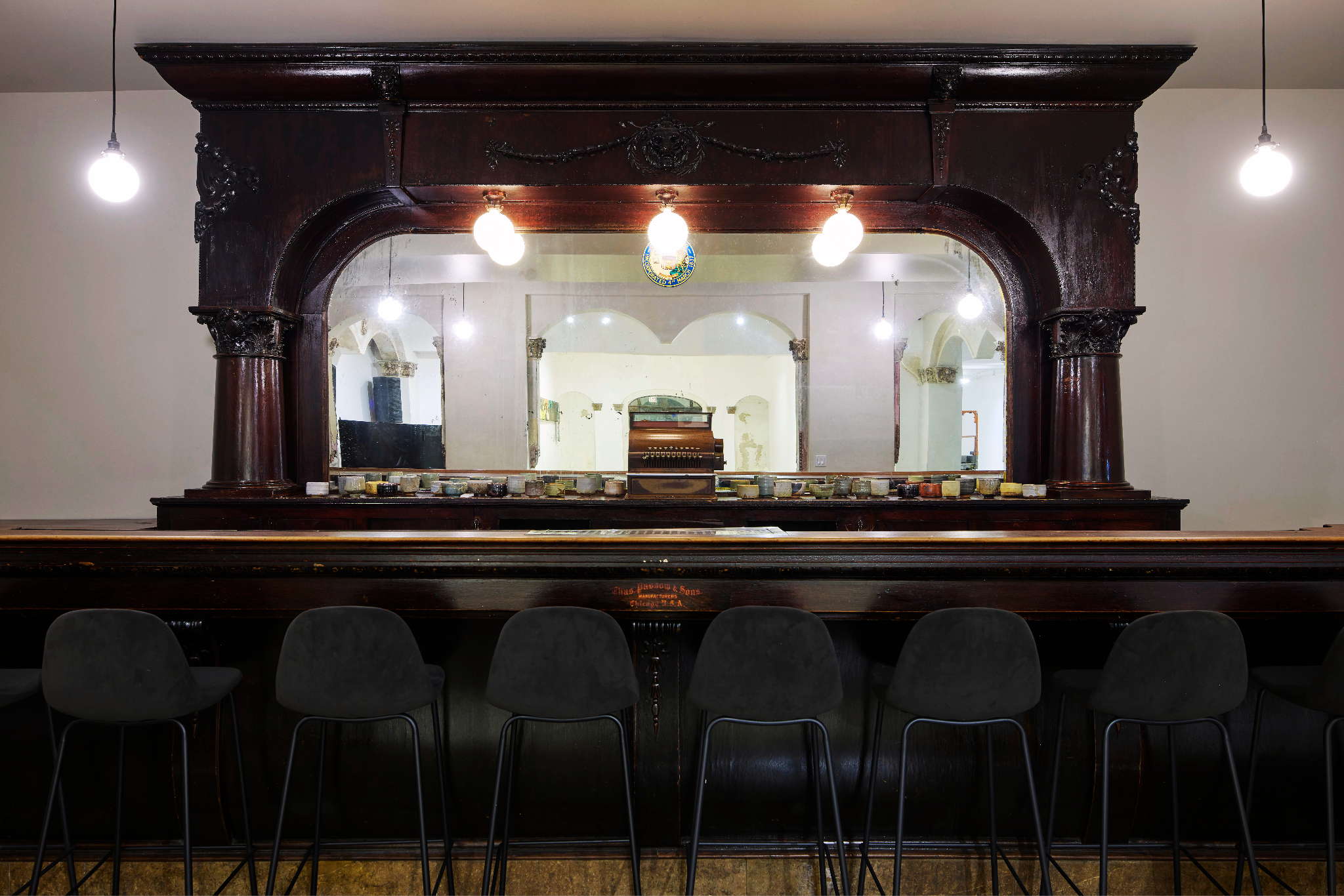
During the day, Han Cha offers a Korean take on high tea. Guests can enjoy prix fixe menus featuring pastries, specialty teas, and ingredients sourced through local partnerships. As evening approaches, the space shifts into Yunomi, where cocktails are served in handcrafted ceramic cups inspired by Japanese tea vessels. Many of the pieces come directly from Gates’s pottery practice, connecting the experience to the artist’s longstanding interest in craft and material culture.
The collaboration also reflects Gates’s concept of Afro-Mingei, a philosophy that draws connections between African American cultural traditions and the Japanese folk art movement known as Mingei. At its core, the idea explores how communities use craft, beauty, and everyday objects to preserve identity and create meaning. Bringing Heiji Choy Black on as a business partner turns that philosophy into something tangible, extending it beyond art and into hospitality.
What makes the project particularly notable is its emphasis on relationship-building. Rather than presenting cultures side by side, Han Cha and Yunomi invite visitors to experience them together. Tea, ceramics, food, and conversation become points of connection rather than markers of difference.
At a time when conversations about solidarity can feel abstract, the partnership offers something practical. It creates a shared space where Asian heritage and Black history are not competing stories but part of the same dialogue. Through a cup of tea or a carefully crafted cocktail, visitors are invited to participate in that exchange.
Sometimes cultural bridge-building starts with policy, activism, or public programs. Sometimes it starts with a seat at the table.
For more exciting articles, keep in touch and stay connected by following us on our socials Facebook, Instagram, LinkedIn, and Tiktok and we’ll make sure you’re updated!
References
Chicago Defender. (2026, June 3). Entrepreneur Heiji Choy Black and artist Theaster Gates reimagine high tea with experimental hospitality destination at the Stony Island Arts Bank in Chicago. Chicago Defender. https://chicagodefender.com/entrepreneur-heiji-choy-black-and-artist-theaster-gates-reimagine-high-tea-with-experimental-hospitality-destination-at-the-stony-island-arts-bank-in-chicago/
Rebuild Foundation. (n.d.). About. Stony Island Arts Bank. Retrieved June 6, 2026, from https://www.rebuild-foundation.org/copy-of-visit
WBEZ. (2026, May 15). Theaster Gates cocktail lounge Heiji Choy Black Stony Island Arts Bank Obama Presidential Center South Side Chicago. WBEZ Chicago. https://www.wbez.org/food-drink/2026/05/15/theaster-gates-cocktail-lounge-heiji-choy-black-stony-island-arts-bank-obama-presidential-center-south-side-chicago
More from
Food
category


%20-%20%20320x400%20(1).png)


%20-%20%20%20728x90%20(1).png)