


When you step into the world of family law, you expect to talk about assets, custody, and procedural filings. But for Janice Dantes, founder of Chicago-based Pinay Law, the conversations run much deeper. They are about cultural shame, immigration realities, and holding space for women navigating a system that wasn't built for them.

A finalist for the 2026 Reisman Legal Impact Award, Dantes has built the Midwest's only Filipino-focused legal clinic into a place where clients find not only legal representation, but also advocates who understand the cultural realities behind their cases. Through an all-women team, Pinay Law is challenging the traditional legal landscape while offering culturally informed advocacy that many clients struggle to find elsewhere.
The Power of Shared Experience
Dantes said she didn't fully appreciate how meaningful it would be to build a team of women until she began seeing how clients responded. Many sought out Pinay Law not simply because the attorneys were Filipino, but because they wanted someone who understood the emotional realities behind their legal battles.
"People seeking divorce is really shocking to me... We have a lot of clients who will come to our firm solely because they're like, 'Oh, you're a Filipino,' or 'You're a Filipino woman,' or 'You're a woman in general.' They've only spoken with male attorneys in their divorce. It's not that male attorneys are less capable. It's that sometimes the shared experience is not there."
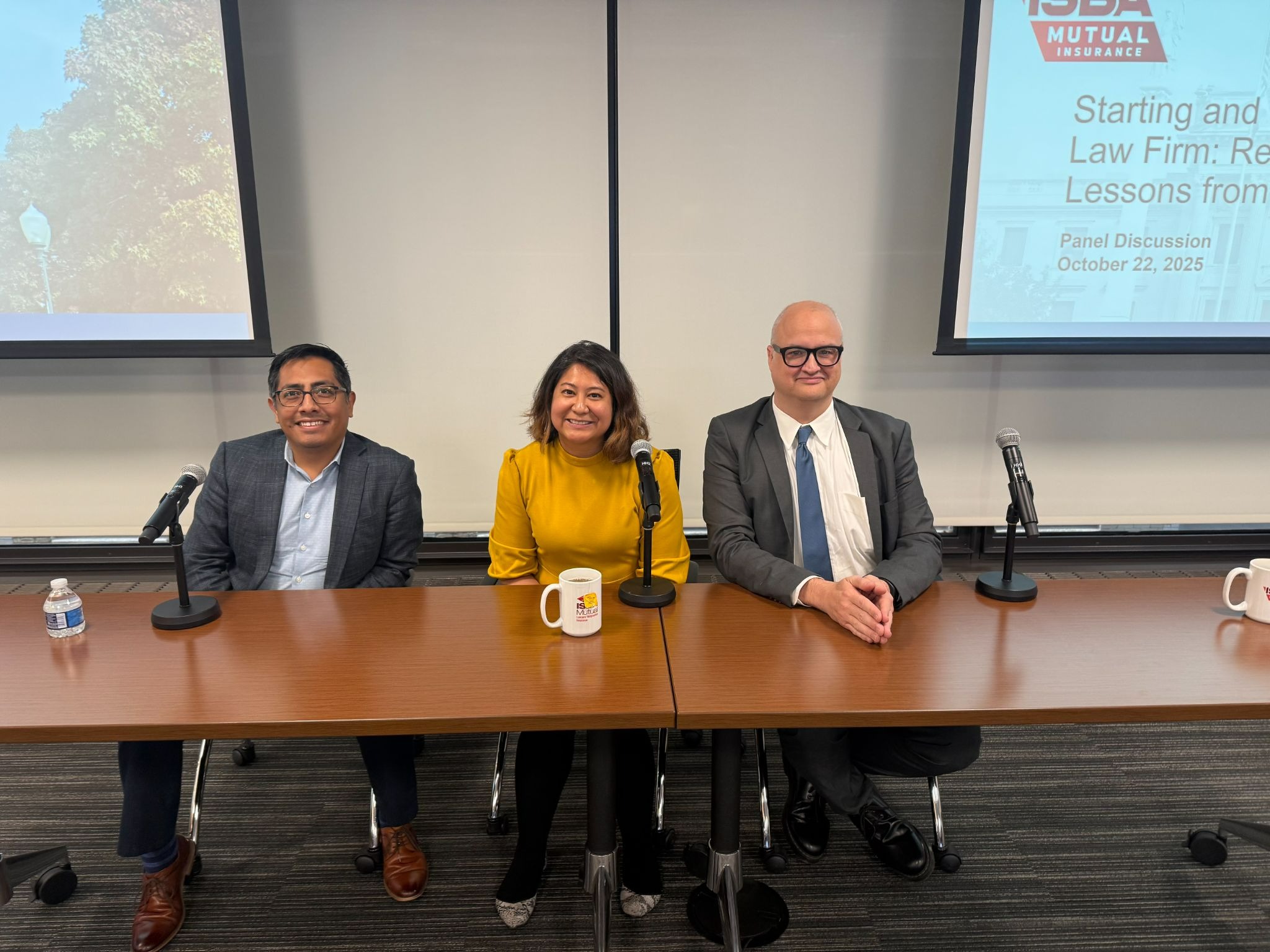
As a working mother herself, Dantes recognizes burdens that don't always appear in court filings but shape nearly every family law case.
"I'm a mother of three. I'm a working mother... We can really understand and relate to our clients. I think that's what helps us resolve some of these issues. It's not always about being rational or money. It's the emotional or the mental load that I think a lot of men can't appreciate."
Translating Culture for the Courts
Serving the Filipino community means translating more than Tagalog or Bisaya. It often means translating an entire culture for American judges, attorneys, and child advocates.
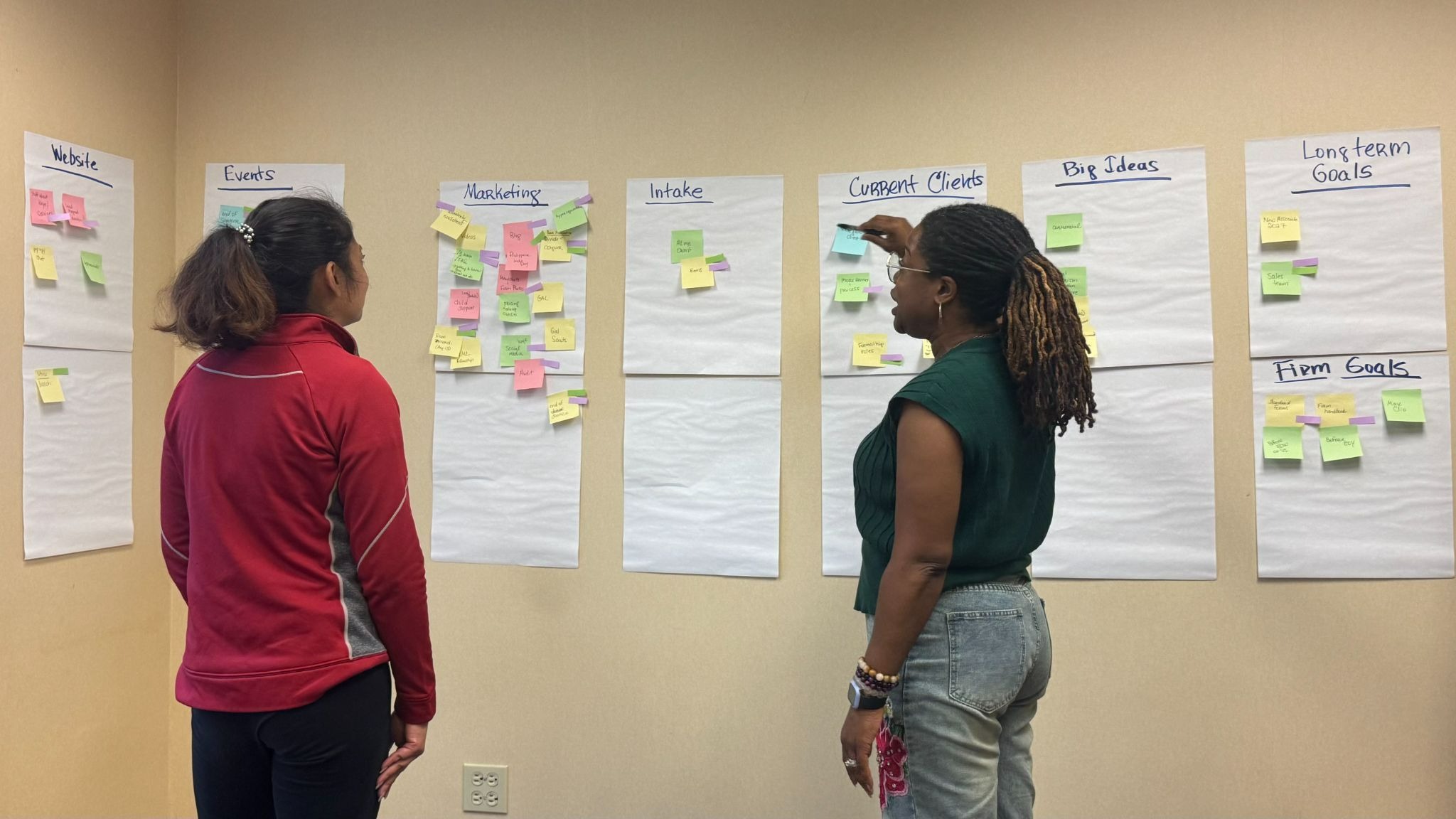
As the only Filipino guardian ad litem appointed in Cook County, Dantes regularly finds herself explaining customs that may appear unusual in an American courtroom but are perfectly ordinary in Filipino households. Whether it is explaining why a nine-year-old sleeping in the same bed as their parents is not automatically a safety concern or why international travel with a Philippine passport is far more restrictive than many assume, she often serves as a cultural bridge alongside her legal role.
She also finds herself addressing misconceptions that can unfairly shape custody disputes.
"I've had to advocate, 'Oh, but I'm worried that the Filipina will kidnap the kid if she brings them home to the Philippines.' It's laughable, right? Those are cultural aspects of cases that are very difficult for people to understand."
These conversations are about more than correcting stereotypes. They ensure that families are evaluated based on facts rather than assumptions about their culture.
Dodging Chismis and the Hypocrisy of Stigma
Because divorce remains deeply stigmatized among many Filipinos, Dantes knows that some clients worry as much about community judgment as they do about court proceedings. Protecting their privacy begins long before they ever step inside a courtroom.
"People have asked me, 'Why don't you put your office at Seafood City?' If somebody is known to come into my office, there's going to be chismis... I never want to put it anywhere that is so public. Even though I do other things, I don't want that chismis to follow my clients."
She also believes the stigma surrounding divorce is sustained by glaring double standards.
"What frustrates me is the hypocrisy around divorce in the Philippines... It's these politicians with kids like nakalat (spread out) everywhere, right? They are saying, 'But I believe in the sanctity of marriage.' I cannot stand that hypocrisy that they're still hiding behind the sanctity of marriage, even though they have been so unfaithful. It's really a way for them to avoid and skirt their responsibilities."
Despite the shame many clients carry into her office, Dantes said one thing consistently surprises her. None of the Filipino women she has helped through divorce have told her they regret leaving. Instead, many have built lasting friendships with one another, taking cruises together, exchanging vegetables during the summer, and creating support systems that continue long after their cases have closed. Their experiences serve as a reminder that life after divorce can include not only healing, but also joy and community.
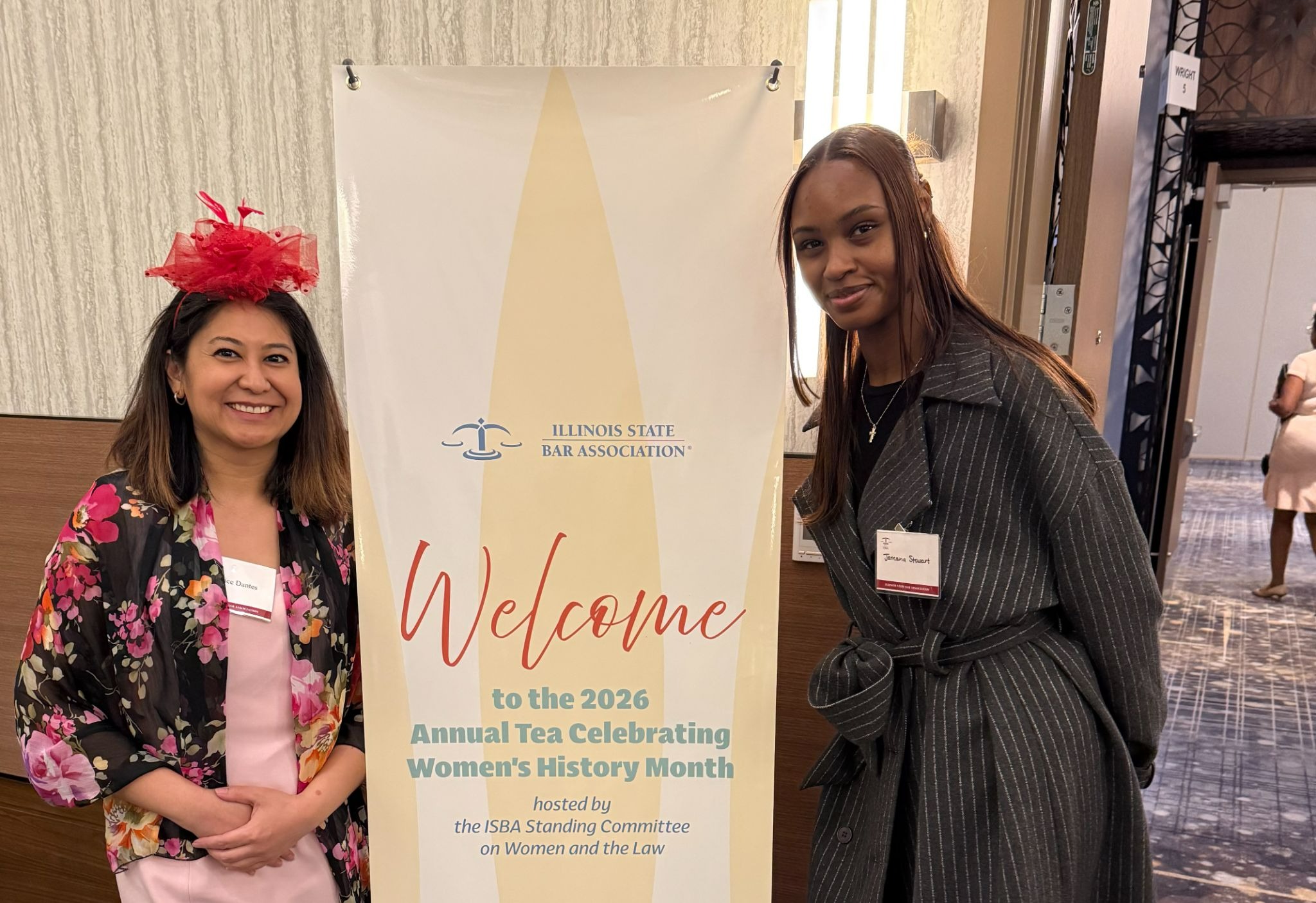
The Masterplan Legalizing Divorce Through Capitalism
While much of Dantes' work focuses on helping individual families, she is also thinking about changing the system itself.
"I want to make so much money divorcing Filipinos that that will force the Philippines to pass laws that will allow divorce. It's not going to be about the sanctity of marriage or what they believe. It's about there's somebody who is an American getting rich... The politicians are going to say we should be getting rich… So let's just change the law so the money stays here. I think that's when the law will change."
While delivered with a laugh, the sentiment reflects something much deeper. Dantes hopes that one day Filipinos will no longer have to leave their home country to access legal protections that much of the world already recognizes.
Reclaiming the Name on the Door
Ultimately, the Reisman Legal Impact Award nomination is about more than recognizing Pinay Law's accomplishments. For Dantes, it represents an opportunity to redefine what leadership looks like in the legal profession.
"What I want, and I've told this to our Filipino lawyer associations, is that I don't want the law firms to be called Kirkland and Ellis. I want Filipino names... I don't care that you're a partner at Kirkland and Ellis. Is your name up there? If your name is not there, you're not a real partner... I'd like to see more ownership in our community."

For Dantes, success isn't measured only by cases won or awards earned. It's measured by seeing more Filipino names on office doors, more women leading firms, and more communities finding advocates who understand not just the law, but the lives behind it. If Pinay Law represents the beginning of that future, she hopes it won't remain the only name like it for long.
For more exciting articles, keep in touch and stay connected by following us on our socials Facebook, Instagram, LinkedIn, and Tiktok and we’ll make sure you’re updated!
More from
Interviews
category


%20-%20%20320x400%20(1).png)


%20-%20%20%20728x90%20(1).png)
